AI Fraud Detection in Insurance: Insights from Klein Blue 2026
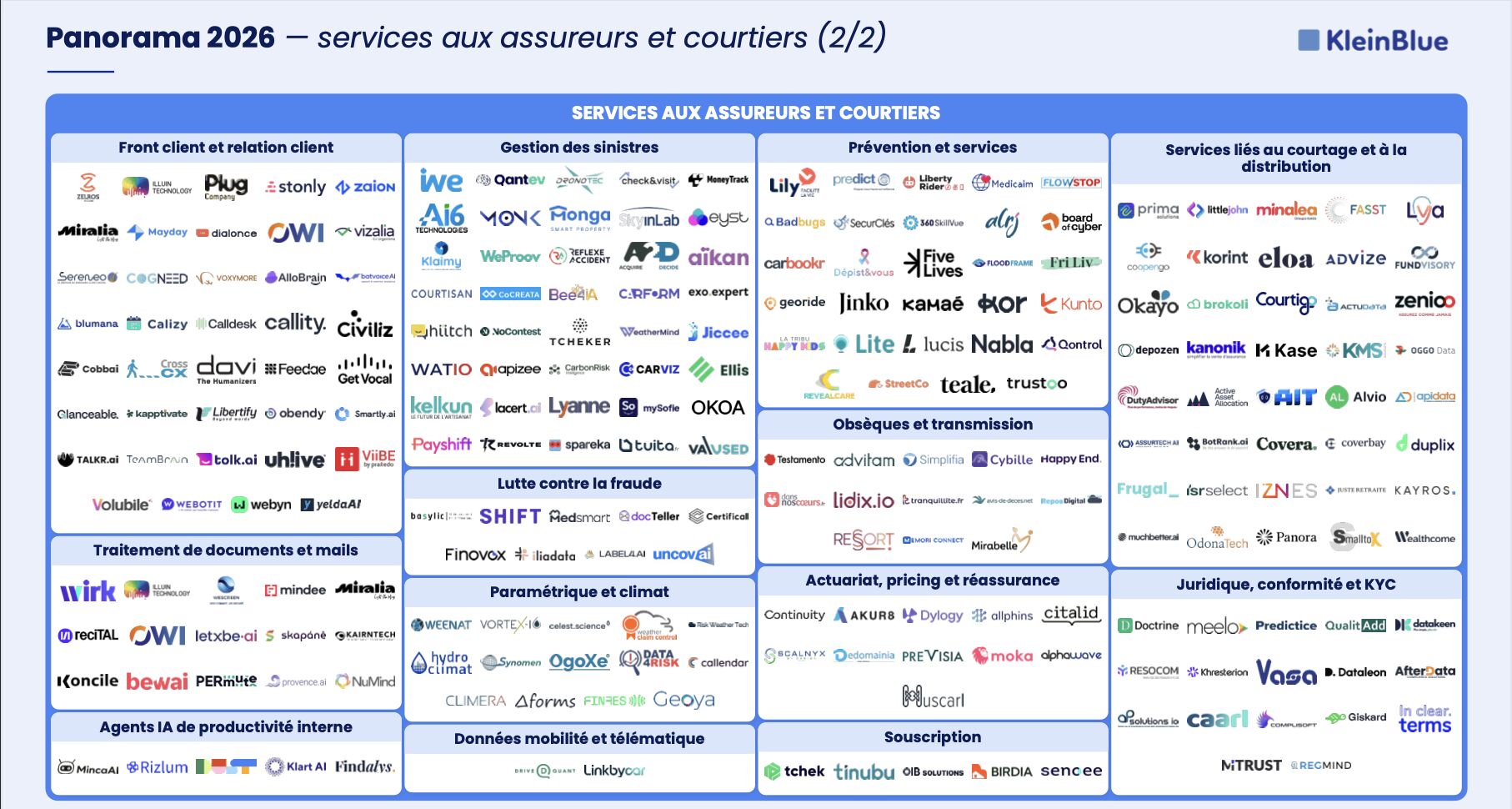
French insurtech is no longer trying to replace insurers. It is equipping them, and more of that equipment now runs on AI. Klein Blue's 2026 panorama maps the sector, and it raises a question for every insurer: when AI handles the claim, who checks that the claim is real? UncovAI, which is listed in the panorama's fraud-prevention category, works on that question.
AI fraud detection in insurance means analysing data patterns and checking that the photos, documents and voices behind a claim are authentic. As claims handling becomes automated, that second check matters more.
The French insurtech market in numbers
Klein Blue, an innovation and AI consultancy for the insurance sector, published the figures below from its own platform. They show a market that is renewing itself and consolidating at the same time.
409 active startups
Insurtech startups active in France, 74 of them created since 2023.
25% built on AI
104 startups have AI at the core of their offer, and 94% of them sell services to insurers.
47 acquisitions
Startups acquired since 2023, at least nine of them by foreign groups.
52 in prevention
Startups that make prevention a service across cyber, climate and health, with more than €400M raised in total.
Klein Blue's reading is that insurtech has moved from disruption to supplying tools for insurers. Services to insurers and brokers account for 236 of the 409 startups, and 42% of them use AI.
From AI building blocks to AI agents
The panorama's first trend is that AI is moving from single components to agents. Of the 74 startups created since 2023, 36 are AI building blocks.
The examples in the study are concrete. Rizlum builds AI agents for insurers and mutual insurers covering enrolment, reimbursements, claims and fraud, and Klein Blue reports that 80% of voice requests are handled without a person. Qantev runs an AI platform for health claims, including fraud and abuse, with clients in more than 10 countries.
When agents take over intake and claims handling, the volume of files processed without a human looking at them goes up. So does the value of getting the first check right.
AI fraud detection in insurance: where the risk sits
Generative tools have made certain kinds of fabrication cheap. A damage photo can be generated or edited. An invoice or medical certificate can be altered. A voice can be cloned for a phone claim or an identity check.
None of this is new as a type of fraud. What has changed is the effort required and the number of files that reach an automated pipeline. Insurers need two layers: models that look for suspicious patterns across claims, and checks on whether the submitted content is genuine in the first place.
Photos of damage, scanned documents, supporting evidence, recorded calls and identity videos. Each can be tested for signs of AI generation or editing before a claim moves forward.
UncovAI is listed in Klein Blue's Panorama 2026 under fraud prevention for insurers. That second layer, checking whether content is authentic, is exactly what we work on.
Our tools cover image detection and the detection of scams and deepfakes, which map to the photo, document and voice risks above.
A detection result is a signal, not a verdict. It tells a claims handler where to look, and the decision stays with a person.
Prevention becomes a service
The second trend is a shift from paying out after a loss to helping customers avoid it. Klein Blue points to cyber protection that bundles audit, tools and training, to risk pricing from climate data, and to health services written into the contract.
Prevention runs on data, so it depends on that data being trustworthy. The same logic applies to claims: an insurer that prevents losses and pays quickly still needs to know the evidence is real.
What consolidation means for insurers choosing vendors
The third trend is consolidation. Klein Blue notes that outside the neo-insurers, the largest funding rounds since 2024 went to B2B companies: Akur8 with €108M, NEAT with €50M and Tinubu with €40M.
For an insurer buying AI tools, a crowded and consolidating market makes vendor questions more important. A few worth asking any provider, including us:
What exactly does the tool analyse? Pixels, metadata, text, audio, or a mix.
How are errors handled? Every detector produces false positives and false negatives, and the workflow should plan for both.
Can a result be explained to a claims handler? A score with no context is hard to act on.
To see which teams we work with, visit our page on who UncovAI is for.
Questions about AI and fraud in insurance
What is AI fraud detection in insurance?
It is the use of AI to spot fraudulent claims and applications, both by analysing patterns in the data and by checking whether the photos, documents and voices submitted are authentic or AI-generated.
How many insurtech startups are active in France?
According to Klein Blue's Panorama 2026, October edition, 409 insurtech startups are active in France, including 74 created since 2023.
Why does AI-generated content matter for insurers?
Generative tools make it cheap to fabricate a damage photo, alter an invoice or clone a voice. Insurers that automate claims handling need a way to verify that what they receive is genuine.
Can a detection tool prove a claim is fraudulent?
No. A detection result is a signal that tells a claims handler where to look more closely. The decision stays with people and should rest on several checks.
The full panorama is available from Klein Blue, which published it on LinkedIn and at kleinblue.fr.
Check the content behind your claims
Create an account and test UncovAI on the images, documents and audio your teams receive.
Get Started Free →